
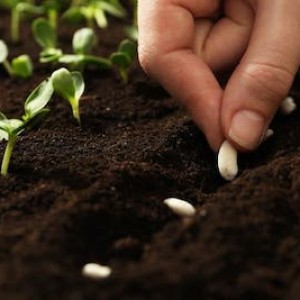
Plant seed is the embryonic stage of the plant life cycle. Most seeds consist of three parts: embryo, endosperm, and seed coat. The embryo is a tiny plant that has a root, a stem, and one or more leaves. The endosperm is the nutritive tissue of the seed, often a combination of starch, oil, and protein.
26 May

0
8239
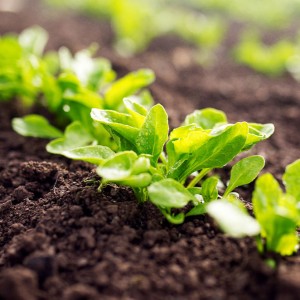
When you're just starting out with gardening, it can seem like there's so much to know and you've got a thousand questions. How should you plant your vegetable seeds, and what kind of soil is best? When should you prune your flowers and divide your perennials? Is everything getting enough sunlight and water? What is the best way to build your garden?The good news is that nature is a terrific teacher. The more you garden, the more you'll learn about what works and what doesn't. But for now, use t..
24 May

2
9220
Content:1. Choose Low-Maintenance Plants 2. Mulch 3. Watering Efficiency 4. Group Plants by Watering Needs 5. Minimal Pruning 6. Low-Fertilizer Approach 7. Weed Control 8. Container Gardening Gardening doesn't have to be a labor-intensive hobby. If you're looking for a low-maintenance approach to gardening, here are eight principles for lazy people:1. Choose Low-Maintenance Plants: Opt for plants that require minimal care and attention. Native plants and drought-tolerant varieties often thriv..
01 May
0
7866
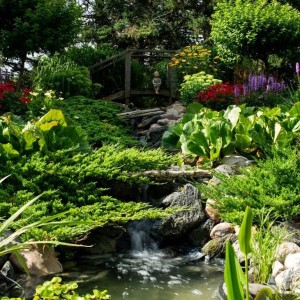
Transforming your home into a lush oasis is all about bringing nature to your house and creating a calming, rejuvenating atmosphere. Whether you have a large space or just a small apartment, the key is to focus on greenery, soothing textures, and tranquil design elements. Here’s a step-by-step guide to help you create your own indoor oasis:1. Start with Indoor PlantsIndoor plants are essential for creating a lush, natural vibe. They purify the air, add vibrancy, and bring life to any room.Choose..
28 Apr
0
9421
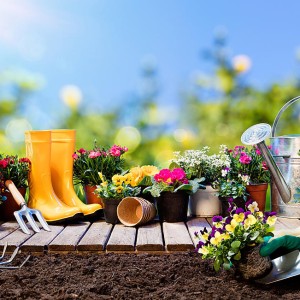
Content:1. Site it right. 2. Follow the sun. 3. Stay close to water. 4. Start with great soil. 5. Consider containers. 6. Choose the right plants. 7. Discover your zone. 8. Learn your frost dates. 9. Add some mulch. 10. Feed plants regularly. Starting a garden in your yard is easier than you think, even if you're a total beginner. Follow these key planting techniques to fill up your plot with vegetables and stunning flowers. #plant seedsIf you're wanting to start a garden in your yard, Spring is..
03 Apr
1
9504
Content:1. How To Know When To Build A Garden In Our Zone2. Plants That Thrive in Cold Weather 3. Planting Fruits vs Vegetables 4. How To Plant a Garden Planting a vegetable garden is an enjoyable experience. With careful planning and preparation, you can have a good harvest. Each year, home gardeners wonder when is the best time to start a garden. The first signs of spring trigger excitement for the new growing season, but it can be weeks or months before it’s time to begin. Planting too early ..
01 Apr

0
5012
Content:1. Choose good keepers 2. Harvest with care 3. Keep them cool Nothing compares to the crunch and flavor of a just-picked apple. Unfortunately, left on a countertop or in a fruit bowl, apples will begin to lose that fresh-from-the-tree taste. The good news is that by storing them properly, you can enjoy crisp, flavorful apples for months. Choose good keepersThe best keepers are the more tart and thick-skinned varieties, such as McIntosh, Fuji, Rome and Granny Smith. The apple varieties ha..
27 Mar

0
7655
Discovering the abundance of nature is about opening your senses to the vast richness of the natural world and allowing yourself to engage with it on a deeper, more mindful level. Nature is abundant not only in physical resources but also in beauty, peace, and inspiration. Whether you are in an urban area, living in the countryside, or simply surrounded by a small garden, there are endless ways to tap into nature's bounty and cultivate a sense of connection with the earth. Here are some steps to..
Showing 1 to 7 of 7 (1 Pages)